Community Resilience
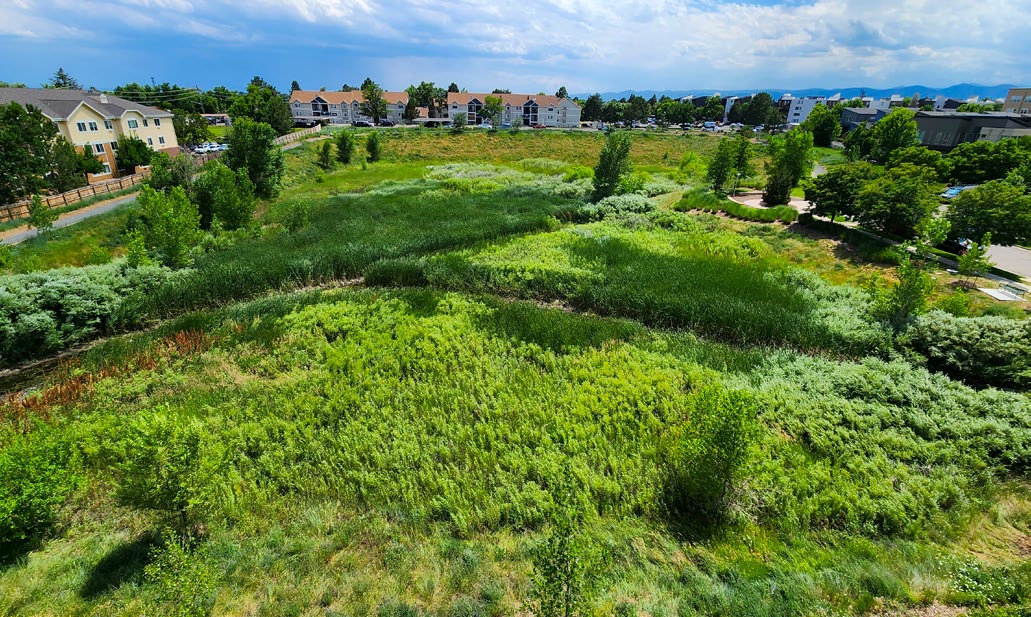
Community resilience is the ability of a community’s social, economic, and ecological systems to cope with singular disaster events and adapt to changing conditions over time. This includes proactively preparing for potential impacts (such as natural hazards), having capacity to withstand and recover quickly, and taking advantage of opportunities such as partnerships, economic trends, and technological advancements.
Lakewood is already experiencing noticeable impacts from climate change with increasing drought, extreme temperatures, flooding, wildfires, severe storm events, and loss of biodiversity. Projections indicate these trends will intensify in the coming decades. By 2040,between 28% and 88% of Lakewood’s residents will be exposed to increased heat risks. Citywide damages from a flood event with 1% annual likelihood are estimated to exceed $80 million. Key risks of climate related hazards include:
- expensive property damage to homes and businesses and increased insurance costs;
- endangerment of human and animal lives;
- disrupted access to essential goods and services like energy, water, and food; and
- declining biodiversity.
In addition to these direct impacts, major disruptions can exacerbate pre-existing health conditions and cause declines in mental health from the stress and trauma of financial costs, physical injuries, and logistics of navigating the recovery process.
While many people experience the same physical hazards, some community members are disproportionately impacted due to social factors such as income, age, race, language and disability. The concept of “social vulnerability” emphasizes that certain groups — including households living on low incomes, aging adults, people with disabilities, and marginalized racial groups — often face greater challenges in preparing for, coping with, and recovering from disruptions to their day-to-day lives.
Goal 4 Strategies: Community Resilience
To improve community-wide resilience, this goal and the following strategies aim to promote awareness and education about emergency preparedness, strengthen capacity of communities facing the most vulnerabilities, protect critical infrastructure and built environment, preserve the natural environment, and build relationships with community partners.
Primary Strategies
-
Building on existing efforts, develop and implement a comprehensive strategy for proactively addressing environmental justice across all relevant City operations. As a baseline, this strategy should be informed by the regular collection and monitoring of necessary data—both quantitative and qualitative.
-
Regularly assess the impacts of climate change and related hazards on the Lakewood community to understand potential risks to people, the natural and built environment, and the economy. Coordinate across internal departments to utilize the climate impact assessment findings to establish, maintain, and train staff on a Climate Adaptation Strategy that supports disaster preparedness, response, recovery, and communitywide resilience, including a social vulnerability tool that can be used to prioritize program development, provision of services, and city infrastructure projects.
-
Continue to update and integrate climate hazard, risk, resilience, mitigation, adaptation, and impact analysis into city documents, reports, plans, and policies related to neighborhoods and corridors, municipal facilities and operations, parks and open space, infrastructure, zoning and building codes, asset management, engineering regulations, procurement, insurance, emergency preparedness, and the city budget process, among others.
-
Strengthen community cohesion and increase community capacity by continuing neighborhood-level programs and services including the Sustainable Neighborhoods Program and the Neighborhood Support Team; by strategically locating resilience hubs or similar community-serving facilities to provide education, services, and shelter during hazard events; and by developing and implementing policies and outreach programs with local partners to support households that are disproportionately impacted.
Supporting Strategies
-
Prioritize efforts to ensure equitable access to resources that help all residents enjoy a healthy life (e.g.,, access to food, medical care, safe housing, transportation, arts, parks, recreation, outdoor spaces, and others.)
-
Update regulations for public space design to support the community’s physical, mental, and social health, with considerations such as passive and active uses, places to gather, heat resilience, connections to nature, and safe access within and through a space.
-
Develop and maintain green and gray infrastructure that supports public health and safety, reduces risk of hazards, integrates into pedestrian-friendly streetscapes, and supports a healthy natural environment through implementation of nature- based solutions that promote climate mitigation, adaptation, and resilience. Assess and identify opportunities to mitigate existing hazards and enhance climate resilience of infrastructure, city assets, and communities.
-
Protect lives, prevent property and environmental damage, and stabilize the economy during large-scale emergencies and disasters. Collaborate with internal departments and external organizations to proactively plan for hazard mitigation, emergency preparedness, emergency response, and recovery efforts in order to increase community resilience.
-
Develop and implement a safety education program that includes information and training addressing all types of potential safety issues, such as natural and climate disasters, human-caused disruptions, cyber security threats, and general safety practices to ensure the Lakewood community is well-prepared for public safety emergencies and best day-to-day safety practices.
-
Building on existing efforts, develop a comprehensive communications and outreach strategy for all City operations to ensure that all information and outreach efforts are accessible, engaging, and broad-reaching. This should include specific outreach strategies and accommodations for individuals with disabilities and Lakewood’s diversity of cultural identities and languages. Regularly update this strategy to reflect changing technologies, demographics, and communication preferences.
-
Maintain an up-to-date online resource center to provide information, resources, and services to residents, businesses, and other stakeholders related to energy and water conservation, renewable energy systems, beneficial electrification, waste diversion and climate adaptation strategies.
-
Enhance the urban tree canopy by planting trees along trails, sidewalks, parks, and waterways in priority heat risk areas and targeted areas identified through regular canopy assessments; developing an urban forestry plan; and engaging the public through educational materials, discounted tree sales, and tree planting events.
-
Implement a collaborative approach to develop context- sensitive area plans for targeted corridors, neighborhoods and activity hubs, prioritizing areas with high redevelopment pressure, displacement concerns, environmental hazards, infrastructure needs or other factors to create equitable planning processes. The outcome of these plans can help identify area assets and opportunities for change that are reflective of community input and cohesion.
-
Regularly assess and update Lakewood’s Zoning Code, engineering standards, and other related land-use policies to ensure that development projects account for climate risks, advance the City’s climate commitments and reflect the community’s adopted vision.
-
Encourage a mix of housing types through development regulations, policies, and incentives to accommodate different household sizes, income levels, preferences, and needs.
-
Continue to support and grow neighborhood-serving programs and projects, such as the Sustainable Neighborhoods Program, Neighborhood Support Team, and Neighborhood Participation Program.
-
Support and participate in Regional and Statewide efforts to expand sustainable infrastructure and services, increase renewable energy generation, energy storage, and grid reliability, and to support decarbonization through shared administration of programs providing technical expertise, navigation services, workforce development, and other incentives and resources in support of decarbonization and environmental sustainability.
-
Expand and refine current programming to provide specialized peer support that can integrate newly re-housed individuals within communities and ensure continued housing and neighborhood success with a wide-range of supportive services.