A Safe Multimodal Transportation Network
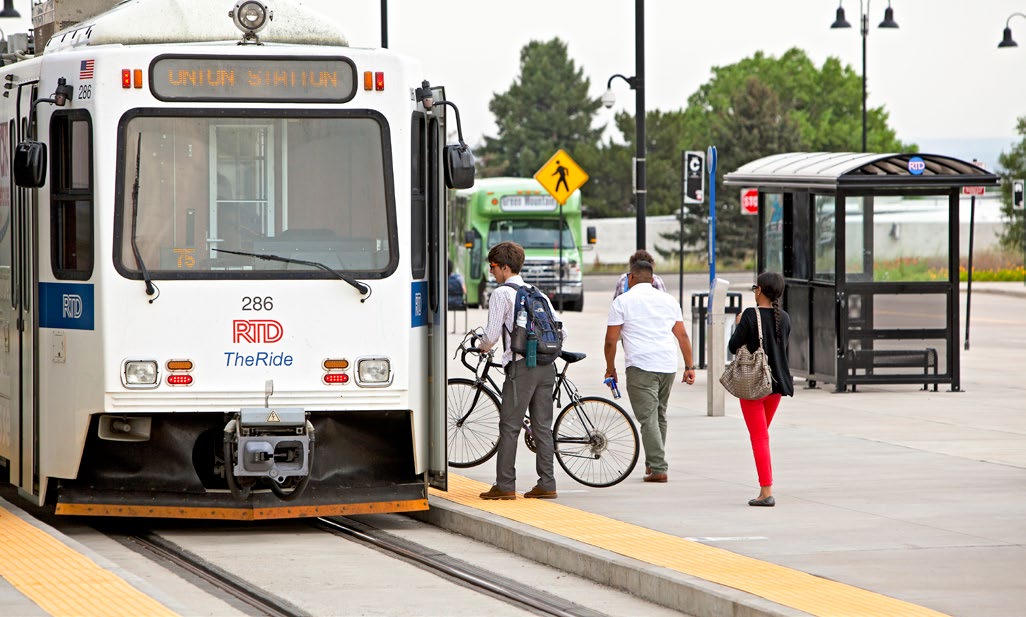
Providing safe and convenient transportation options is crucial for fostering equitable access around the city, promoting public health, and achieving sustainability goals. Currently, about 85% of Lakewood workers commute alone in a personal vehicle, not including the 20% of residents who work from home. This high percentage is largely due to the prevalence of vehicle-centric infrastructure, which makes driving more convenient than other modes of transportation. Working toward a safer, more accessible multi-modal network can help reduce vehicle dependency in Lakewood while still allowing for choice in mobility. Reducing vehicle dependency can have a direct impact on meeting statewide, regional, and local greenhouse gas (GHG) reduction goals and can help mitigate associated health risks. Effective multi-modal networks can also support creative, walkable, mixed-use developments, leading to resource efficiency, easy access to daily needs, and vibrant, connected neighborhoods.
Goal 21 Strategies: A Safe Multimodal Transportation Network
Several strategies to encourage multi-modal transportation have been used in Lakewood and surrounding communities, including hosting Bike to Work Day events, providing Safe Routes to School improvements, investing in safe bicycle and pedestrian infrastructure, and coordinating with public transit agencies as needed.
This goal aims to continue to enhance mobility for all community members in Lakewood. It focuses on establishing a user-friendly transportation system that accommodates all abilities and life circumstances, ensuring safe and convenient travel throughout the community. Primary strategies involve future transportation planning and improvements, regular assessment of capacity, demand, and delay of existing transportation infrastructure, support for transit enhancements and shared mobility opportunities, and strategic funding and policy alignment. Supporting strategies show connections to community heath, active living, neighborhood vitality, and civic participation.
Primary Strategies
-
Support the transition to zero emissions vehicles by prioritizing electrification of the City’s vehicle fleet, expanding public charging infrastructure, updating building and zoning codes to encourage widespread access to charging, and leveraging technical assistance and funding opportunities. Regularly evaluate city policies and strategy documents to ensure that they are relevant to the latest transportation infrastructure and technology advancements.
-
Develop and implement a citywide multi-modal transportation plan that includes updates to the existing roadway classifications and establishment of modal hierarchies to create a coordinated and cohesive vision for Lakewood’s future transportation system.
-
Continue to ensure that the safety and access needs for all modes of transportation users are considered with future transportation improvements, including but not limited to pedestrians, cyclists, and equestrians.
-
Prioritize gaps in the network grid, first and last mile connections, improvements to overall connectivity and a greater variety of route options to more efficiently move people through Lakewood.
-
Strategically provide additional capacity and operational efficiencies on roadways to limit congestion, improve safety, and expand multi-modal options.
-
Review existing funding and seek additional opportunities for the transportation network that will provide reliable infrastructure, improve safety on streets and highways, and result in efficient transportation options.
-
Update regulations as necessary to accommodate shared transportation.
-
Proactively coordinate with Regional Transportation District (RTD) and other local and regional transit agencies to optimize current transit routes and schedules and identify opportunities for future transit connections, including light rail extensions, circulator systems for specific areas, and improved service to adjacent jurisdictions.
-
Continue to implement transportation related plans and studies and any future updates.
-
Work with Regional Transportation District (RTD), Denver Regional Council of Governments (DRCOG), and other partners to evaluate Bus Rapid Transit (BRT) and/or exclusive transit lanes and facilities along streets such as West Colfax, West Alameda, Sheridan, and Wadsworth.
-
Continue to support Lakewood Rides to provide safe and cost-effective transportation services for the elderly and persons with disabilities and consider opportunities to support the long-term financial viability of the program.
-
Set measurable goals to reduce crash rates, such as Vision Zero, focusing on Lakewood’s high-injury network and critical corridors, as well as other identified safety concerns.
-
Reduce unsafe travel speeds by re-evaluating speed limits, evaluating traffic calming measures, and considering enforcement strategies with safety in mind.
-
Evaluate and seek to minimize adverse air quality, noise, light/glare, and other significant adverse environmental impacts of existing and proposed transportation infrastructure on adjacent neighborhoods.
-
Support greater density in areas well-served by transit and greater transit service and a greater variety of transportation options in denser areas, while ensuring a dense pedestrian-network where residents have safe and convenient access to destinations and the transportation network, while also considering area context.
-
Re-examine the Zoning Ordinance and other regulations and policies to better integrate multimodal street classifications with land use, environmental considerations, and built form context. Align street typologies with land use and zoning, addressing elements such as setbacks, build-to-zones, sidewalks, landscaping, right-of-way (ROW) and roadway improvements, access requirements, auto-oriented land uses, and others.
-
Modify the parking requirements in the Zoning Ordinance to be consistent with the context of the area, applicable state laws, and best practices to calibrate a balance between sufficient parking, vibrant places, and reducing harmful environmental impacts such as heat islands.
Supporting Strategies
-
Prioritize efforts to ensure equitable access to resources that help all residents enjoy a healthy life (e.g.,, access to food, medical care, safe housing, transportation, arts, parks, recreation, outdoor spaces, and others.)
-
Develop and maintain green and gray infrastructure that supports public health and safety, reduces risk of hazards, integrates into pedestrian-friendly streetscapes, and supports a healthy natural environment through implementation of nature- based solutions that promote climate mitigation, adaptation, and resilience. Assess and identify opportunities to mitigate existing hazards and enhance climate resilience of infrastructure, city assets, and communities.
-
Consider mechanisms, committees, forums or processes to collaborate with diverse representation from the Lakewood community on planning, funding, and project implementation for topics such as equity, transportation, housing, resilience, parks and others.
-
Continue to implement the 40 West ArtLine Framework Plan and any future updates to the Plan.
-
Encourage land uses that integrate housing, employment, and community amenities within walking distance of each other.
-
Expand access to reliable and convenient public transportation options within neighborhoods.
-
Ensure that neighborhoods have access to safe and accessible routes by designing designated street corridors that prioritize pedestrian safety and encourage walking, riding and rolling that incorporate sidewalks, and complete street designs.
-
Develop a micromobility strategy that addresses the safety, access, comfort, and convenience of vulnerable road users, and parking or storage for these methods, including people walking and rolling by all modes, including wheelchairs, skateboards, scooters, strollers, bikes, one-wheels and more.
-
Continue to implement the Bicycle Plan and any future updates to the Plan, with a core goal of increasing bicycle network connectivity and increasing the comfort of existing bicycle facilities.
-
Improve the pedestrian environment to ensure that residents and community members have safe, comfortable and convenient access to destinations such as schools and the public transit network. Consider the development of a walkability plan that would also include information and education programs to improve transportation safety and wayfinding.
-
Prioritize closing gaps in the network grid and first/last mile connections, including construction of missing sidewalk and trail links throughout the city, such as those identified in the Belmar/downtown Lakewood Connectivity Study, and north-south crossings of the 6th Avenue freeway, in order to improve overall connectivity, and provide more/greater variety of route options. Prioritize investing in additional separated bike lanes as proposed in the Bicycle Plan.
-
Evaluate locations where it is appropriate to install pedestrian, cyclist, and equestrian crossing improvements such as enhanced crosswalks, signals, refuge medians, or increased visibility at high-traffic mid-block locations and work with the Colorado Department of Transportation (CDOT) and other partners to implement improvements.
-
Identify and prioritize opportunities to enhance bicycle and pedestrian infrastructure, including approaches for regular maintenance such as snow removal and sweeping.