A Diverse, Affordable, and Accessible Housing Market
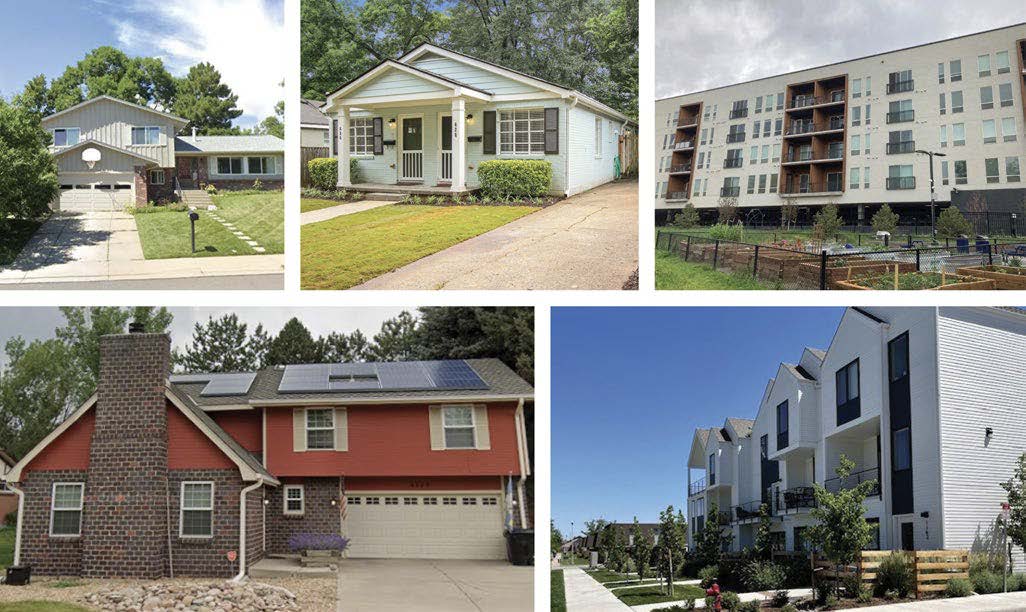
Lakewood’s Strategic Housing Plan, adopted in 2024, updated a housing needs analysis for the city. The analysis found the following:
- Lakewood Households are cost burdened by housing costs. About 30% of Lakewood’s households spend more than 30% of their household income on housing costs decreasing household budgets for necessities and quality of life.
- Renters in Lakewood are increasingly cost-burdened. The proportion of renting households spending more than 30% of their income on housing costs has steeply increased from 39% in 2000 to 58% in 2021. This may be a continuing trend.
- Lakewood household incomes may not keep up with housing costs. Projections estimate about 25% of Lakewood households will be retirees or otherwise non-employed and 40% of households will be low income, earning below 80% of Area Median Income.
This data reinforces the significant need for a greater variety of housing options that support all income levels, multigenerational households, and dedicated housing subsidies for those most in need.
Many of these challenges are familiar to communities throughout the country. The relative lack of land for new development is an additional challenge for Lakewood. Moderate density housing types such as townhomes, duplex/triplex/quads, and smaller multi-family buildings are common in cities that are mitigating “missing middle” housing challenges for low and moderate income residents. These types of housing support affordability in cities such as Lakewood where creating housing solutions is hindered by limited space for new developments.
Goal 19 Strategies: A Diverse, Affordable, and Accessible Housing Market
Barriers to housing affordability and accessibility need to be addressed. The Strategic Housing Plan provides a framework to address these needs through four main strategies: 1) Investing in subsidized affordable housing, 2) Expanding overall affordable housing supply, 3) Keeping residents stably housed, and 4) Expanding housing choices and services for residents.
This goal aims to preserve and enhance Lakewood’s existing housing stock and to ensure that new housing meets local needs. Primary strategies reinforce the guidance outlined in the Strategic Housing Plan. They focus on the City’s role in supporting affordable housing production and preservation and speaks to the regulatory tools available and the importance of partnerships and strategic planning. Supporting strategies show the link between housing and homelessness, neighborhood vitality and context- sensitive development.
Primary Strategies
-
Encourage a mix of housing types through development regulations, policies, and incentives to accommodate different household sizes, income levels, preferences, and needs.
-
Encourage universal accessibility design of affordable units subsidized by the City of Lakewood.
-
Prioritize the preservation and production of housing that is affordable to low to moderate income residents by assisting Public Housing Authorities (PHA) or nonprofit housing developers through programs, policies, and incentives that ensure long-term affordability.
-
Minimize the involuntary displacement of vulnerable populations, such as low-income households, older adults, and people with disabilities, as the city grows and changes. Use tools to allow reinvestment in and preservation of existing housing stock, and allow appropriately scaled infill such as accessory dwelling units, duplexes, and tandem houses.
-
Evaluate the feasibility of establishing a local Lakewood affordable housing fund and/or collaborating with regional partners to identify funding mechanisms that could support affordable housing across multiple jurisdictions.
-
Reduce barriers to affordable housing development by prioritizing applications for affordable units. Explore adjusting staffing capacity to expedite review.
-
Innovate financing mechanisms, such as impact bonds, that activate private sector participation in the preservation and creation of deeply affordable workforce housing that are accessible to workplaces.
-
Update Lakewood’s Strategic Housing Plan every three years to identify and scale evidence-based practices, invest in effective programs, and evaluate innovative housing solutions to ensure that housing policies and programs are data-driven and supportive of current housing needs, including an abundance of attainable housing to meet the long-term diverse needs of our residents.
-
Regularly review, assess, and update Lakewood’s Zoning Code, building and energy codes, engineering standards, Lakewood Municipal Code, and other land-use policies to reduce regulatory barriers to housing affordability and to encourage innovative and creative housing solutions.
-
Deepen participation in industry and civic networks of affordable housing and homelessness response and strengthen partnerships opportunities with Jefferson County, non-profit agencies, and organizations, especially focused on permanent supportive services.
-
Improve Housing Quality Standards (HQS) in ownership and rental housing through existing and innovative rehabilitation programs, using a variety of funding sources such as Community Development Block Grant (CDBG) funds.
-
Improve access to homeownership, especially among low income residents and marginalized groups, through Down Payment Assistance programs or partnerships with nonprofit housing developers.
-
Connect renters with legal resources to ensure quality living conditions and prevent evictions.
Supporting Strategies
-
Building on existing efforts, develop and implement a comprehensive strategy for proactively addressing environmental justice across all relevant City operations. As a baseline, this strategy should be informed by the regular collection and monitoring of necessary data—both quantitative and qualitative.
-
Use the City’s implementation tools such as the Zoning Ordinance, Design Standards, Major Site Plan Review and other applicable regulations to promote development that is respectful of adjacent properties and the surrounding area by considering height, scale, design, connectivity and impacts to the environment. Update these tools as needed.
-
Promote mixed-income developments throughout the city to ensure integration of neighborhoods of all incomes.
-
Encourage land uses that integrate housing, employment, and community amenities within walking distance of each other.
-
Promote sustainable practices throughout neighborhoods, with a focus on energy efficiency, water conservation, green infrastructure and zero waste.
-
Through the Community Development Block Grant (CDBG) Five-year Consolidated Plans and Annual Action Plans, identify and prioritize funding for key projects that will have a positive impact on low-to-moderate income populations in target areas.
-
Partner with neighboring communities to identify and connect individuals and families to housing opportunities.
-
Expand and refine current programming to provide specialized peer support that can integrate newly re-housed individuals within communities and ensure continued housing and neighborhood success with a wide-range of supportive services.
-
Modify the parking requirements in the Zoning Ordinance to be consistent with the context of the area, applicable state laws, and best practices to calibrate a balance between sufficient parking, vibrant places, and reducing harmful environmental impacts such as heat islands.