High-Quality Recreation Opportunities
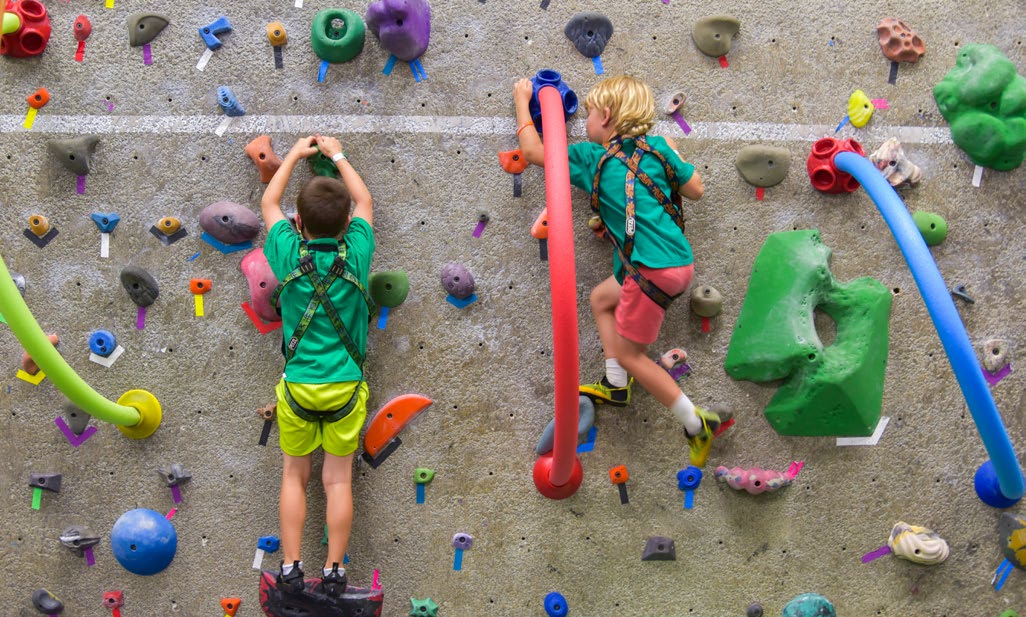
The National Recreation and Parks Association (NRPA) encourages the development of welcoming parks and recreation programs and services through intentional engagement, messaging, and representation to create inclusive and culturally relevant opportunities for the community. Recreational programming has the potential to profoundly impact Lakewood residents by providing ways to get involved, stay active, and be connected within the community. Imagine Tomorrow!, Lakewood’s 2023 Arts, Parks and Recreation Master Plan, recognizes the role of recreation facilities and programming in fostering community health and connection. The Plan outlines strategies to encourage participation and reduce barriers, by offering recreation programs that are adaptable, equitable, and accessible.
Goal 9 Strategies: High-Quality Recreation Opportunities
This goal reinforces Imagine Tomorrow’s! commitment to provide inclusive recreation facilities and programs. Primary strategies include adapting to the changing needs and demands of the community, curating diverse recreational programs and services, promoting self-directed play, and proactively managing and maintaining recreational assets. Supporting strategies illustrate the connection between high-quality and diverse recreational opportunities with equity, health, conservation, and arts and culture.
Primary Strategies
-
Continue to implement the Imagine Tomorrow Plan and any future updates to the Plan.
-
Evaluate and prioritize strategies to ensure that all city assets, including parks, buildings, public art, infrastructure, and other structures, are proactively maintained for safe, comfortable, accessible, and inclusive use by community members, city employees and visitors. Prioritize maintenance and enhancement efforts through routine data collection and assessment, including building and site conditions, greenhouse gas emissions, climate hazards, and community experience input. Ensure that risks are managed effectively, and insurance requirements are engaged appropriately throughout the city’s portfolio of assets.
-
Seek funding and partnerships necessary to achieve high-quality arts, parks, and recreation programs, services, and facilities that meet community needs as defined in the Imagine Tomorrow Plan and any future updates to the Plan.
-
Foster opportunities for self-directed learning and play at city facilities that can be initiated by community members of all ages and abilities.
-
Adapt recreation facilities to provide adequate, functional space for high-demand programming that meets the shifting needs and priorities of the community.
-
Consider opportunities to dream big, including concepts for an accessible and centralized recreation center and community park.
-
Provide opportunities for participation in recreation programs and services specific to older adults, teens, and those with disabilities.
Supporting Strategies
-
Prioritize efforts to ensure equitable access to resources that help all residents enjoy a healthy life (e.g.,, access to food, medical care, safe housing, transportation, arts, parks, recreation, outdoor spaces, and others.)
-
Update regulations for public space design to support the community’s physical, mental, and social health, with considerations such as passive and active uses, places to gather, heat resilience, connections to nature, and safe access within and through a space.
-
Integrate health considerations into City policymaking to improve the health of all communities and people in Lakewood.
-
Develop and maintain green and gray infrastructure that supports public health and safety, reduces risk of hazards, integrates into pedestrian-friendly streetscapes, and supports a healthy natural environment through implementation of nature- based solutions that promote climate mitigation, adaptation, and resilience. Assess and identify opportunities to mitigate existing hazards and enhance climate resilience of infrastructure, city assets, and communities.
-
Ensure that city programs, services, events, meetings, and amenities are welcoming and accessible to all residents. As appropriate, consider opportunities for distinct offerings that cater to specific groups or particular needs within the community, including considerations such as cultural responsiveness, relevance, and languages, disabilities, families and youth, seniors, economic status, and others.
-
Through neighborhood engagement, tailor a variety of parks and open spaces to fulfill different purposes and community needs including, but not limited to, natural resource and habitat protection for biodiversity, walking or biking, organized sports, water-based activities, play space and picnicking, public art, events, and equestrian and dog activities.
-
Responsibly conserve vibrant parks and open space resources through preservation of biodiversity and wildlife habitat, green infrastructure, sustainable practices and environmental stewardship.