Equitable Access to Parks and Open Space
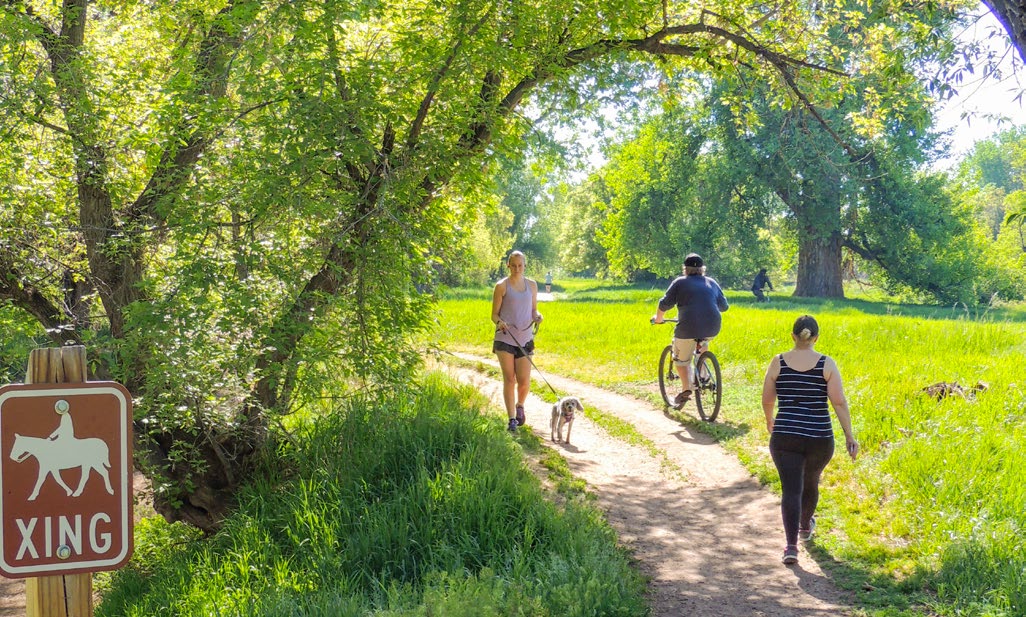
The National Recreation and Parks Association (NRPA) defines park access as the “just and fair quantity, proximity, and connections to quality parks, green spaces, and recreation facilities, as well as programming that are safe, inclusive, culturally relevant, and welcoming to everyone”. Keeping equity at the core of parks and open space planning is crucial to providing complete park access for Lakewood residents.
Lakewood’s Imagine Tomorrow! Arts, Parks and Recreation Master Plan, adopted in 2023, emphasized the importance of equity in arts, parks and recreation opportunities for Lakewood residents. The Plan aims to ensure that all residents have the same access to quality facilities and that investment is appropriate and relative to current conditions and needs.
Lakewood Parks manages 240 miles of shared-use trails and over 7,400 acres of parks and open space. The parks system provides 89 percent of Lakewood residents with access to a park or open space within a 10-minute walk. The city has acquired 192 acres of parkland since 2018. Targeted investments for expanding access include providing new and/or improved park spaces, improving connectivity through trails, offering a diversity and variety of programming, and continued engagement with the community.
Goal 8 Strategies: Equitable Access to Parks and Open Space
This goal aims to ensure that all Lakewood residents have equitable access to high-quality, well-connected parks and open spaces, which are vital for community health, vitality, and well-being. Primary strategies reinforce the priorities and guidance detailed within Imagine Tomorrow! such as providing inclusive and varied park amenities and programming options, prioritizing acquisitions and/or improvements to parks in areas that currently lack access, proactively maintaining facilities, and consistently investing in park management, maintenance, and enhancement. Supporting strategies show the relationship between parks and open space, community health and safety, climate action, integrated arts and culture, protecting and supporting biodiversity, and neighborhood services.
Primary Strategies
-
Continue to implement the Imagine Tomorrow Plan and any future updates to the Plan.
-
Support the addition of accessible park amenities and play features that include safe access to nature, convenience, sensory-friendly elements, interpretation, and relief from heat.
-
Prioritize park acquisition and improvements in areas in need of parkland to support the community’s physical, mental, and social health.
-
Through neighborhood engagement, tailor a variety of parks and open spaces to fulfill different purposes and community needs including, but not limited to, natural resource and habitat protection for biodiversity, walking or biking, organized sports, water-based activities, play space and picnicking, public art, events, and equestrian and dog activities.
-
Evaluate and prioritize strategies to ensure that all city assets, including parks, buildings, public art, infrastructure, and other structures, are proactively maintained for safe, comfortable, accessible, and inclusive use by community members, city employees and visitors. Prioritize maintenance and enhancement efforts through routine data collection and assessment, including building and site conditions, greenhouse gas emissions, climate hazards, and community experience input. Ensure that risks are managed effectively, and insurance requirements are engaged appropriately throughout the city’s portfolio of assets.
-
Responsibly conserve vibrant parks and open space resources through preservation of biodiversity and wildlife habitat, green infrastructure, sustainable practices and environmental stewardship.
-
Encourage private pocket park development, including small dog parks where appropriate, through residential parkland dedication and public/private partnerships to create parks and smaller green spaces in strategic locations in need of park amenities.
-
Seek funding and partnerships necessary to achieve high-quality arts, parks, and recreation programs, services, and facilities that meet community needs as defined in the Imagine Tomorrow Plan and any future updates to the Plan.
-
Foster opportunities for self-directed learning and play at city facilities that can be initiated by community members of all ages and abilities.
Supporting Strategies
-
Prioritize efforts to ensure equitable access to resources that help all residents enjoy a healthy life (e.g.,, access to food, medical care, safe housing, transportation, arts, parks, recreation, outdoor spaces, and others.)
-
Update regulations for public space design to support the community’s physical, mental, and social health, with considerations such as passive and active uses, places to gather, heat resilience, connections to nature, and safe access within and through a space.
-
Integrate health considerations into City policymaking to improve the health of all communities and people in Lakewood.
-
Work with community organizations, businesses, and neighborhood groups to increase crime prevention services through services such as Crime Prevention Through Environmental Design (CPTED),Neighborhood Watch, and other rigorously evaluated evidence-based strategies delivered in homes, schools, or the community that have been shown to prevent crime or reduce recidivism. Community members using the separated bike lanes on Garrison Street.
-
Develop and maintain green and gray infrastructure that supports public health and safety, reduces risk of hazards, integrates into pedestrian-friendly streetscapes, and supports a healthy natural environment through implementation of nature- based solutions that promote climate mitigation, adaptation, and resilience. Assess and identify opportunities to mitigate existing hazards and enhance climate resilience of infrastructure, city assets, and communities.
-
Develop relationships with Indigenous groups and tribal leaders with ancestral connections to Lakewood, and work with them to integrate their traditional ecological knowledge, local history, cultural practices, and perspectives into plans and policies.
-
Ensure that city programs, services, events, meetings, and amenities are welcoming and accessible to all residents. As appropriate, consider opportunities for distinct offerings that cater to specific groups or particular needs within the community, including considerations such as cultural responsiveness, relevance, and languages, disabilities, families and youth, seniors, economic status, and others.
-
Develop and implement a Biodiversity Strategy to identify projects, policies and programs that address invasive species, support ecological integrity, incorporate regenerative practices, and reduce the loss of biodiversity.
-
Enhance the urban tree canopy by planting trees along trails, sidewalks, parks, and waterways in priority heat risk areas and targeted areas identified through regular canopy assessments; developing an urban forestry plan; and engaging the public through educational materials, discounted tree sales, and tree planting events.
-
Consider opportunities to dream big, including concepts for an accessible and centralized recreation center and community park.
-
Continue to implement the 40 West ArtLine Framework Plan and any future updates to the Plan.
-
Improve and activate publicly owned spaces (such as parks, plazas, streetscapes) with art, landscaping, seating, creative placemaking, and interactive elements.