Meaningful and Inclusive Civic Participation
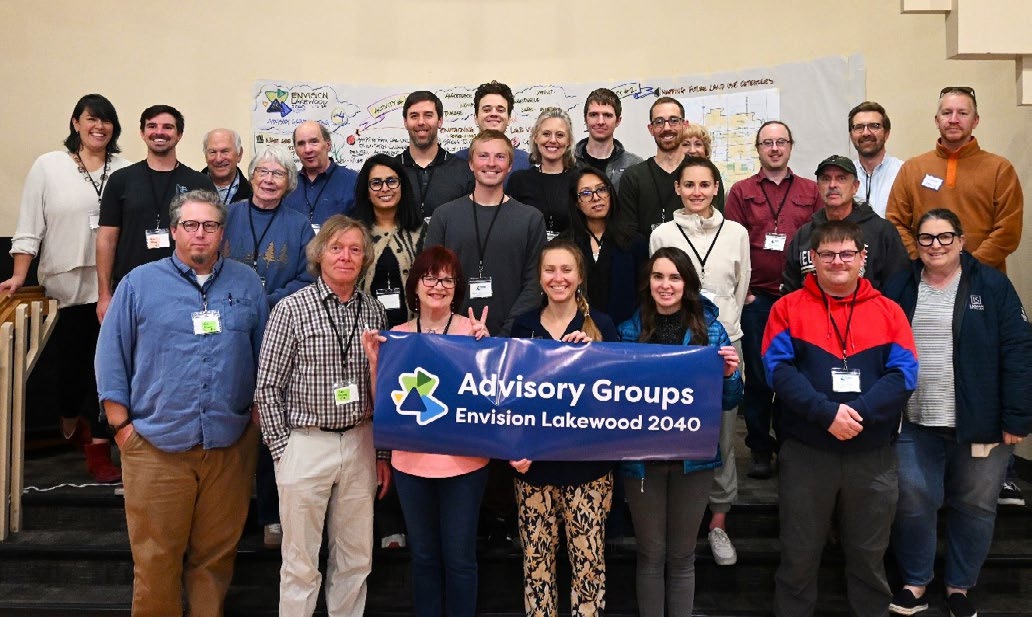
Meaningful civic participation is essential for a democratic community. It ensures that all residents, employees, and business owners have an equal opportunity to share their perspectives and voice their hopes, dreams, and concerns for the future of Lakewood. This is particularly important as Lakewood continues to evolve, and the population’s diversity of races, ethnicities, cultures, life stages, and economic circumstances change. Currently, Lakewood is home to a lower median household income than comparable communities in Jefferson County and has a population that is projected to grow older and become more racially diverse in coming decades.
Community members with busy schedules, diverse cultural backgrounds, or limited access to communication channels can be the hardest to reach, but their participation is crucial for City staff and officials to understand the diverse needs and perspectives of all community members. To help remove barriers for participation, City programs, services, events, engagement opportunities and outreach methods need to continue to be welcoming, accessible, and culturally relevant.
Goal 5 Strategies: Meaningful and Inclusive Civic Participation
By valuing lived experiences and diverse perspectives, the City can make informed decisions that reflect community needs, promote social cohesion, and build long-term resilience. Primary strategies focus on providing accessible, inclusive, and meaningful participation opportunities. Supporting strategies demonstrate the importance of civic participation within area planning, community health and safety, parks and open space, and more.
Primary Strategies
-
Building on existing efforts, develop a comprehensive communications and outreach strategy for all City operations to ensure that all information and outreach efforts are accessible, engaging, and broad-reaching. This should include specific outreach strategies and accommodations for individuals with disabilities and Lakewood’s diversity of cultural identities and languages. Regularly update this strategy to reflect changing technologies, demographics, and communication preferences.
-
Ensure that city programs, services, events, meetings, and amenities are welcoming and accessible to all residents. As appropriate, consider opportunities for distinct offerings that cater to specific groups or particular needs within the community, including considerations such as cultural responsiveness, relevance, and languages, disabilities, families and youth, seniors, economic status, and others.
-
Invite, encourage, and work to remove barriers for residents to take an active role in the city through intentional offerings for civic participation that actively fosters interaction between residents of different backgrounds and experiences. This may include, but not be limited to, elections, volunteering, applying for city grants, joining city boards and commissions, providing public comments on projects, participating in planning processes, accessing special events, participating in creative placemaking efforts, or other public participation processes.
-
Consider mechanisms, committees, forums or processes to collaborate with diverse representation from the Lakewood community on planning, funding, and project implementation for topics such as equity, transportation, housing, resilience, parks and others.
Supporting Strategies
-
Increase authentic and positive community interactions with all members of the police department through broad and inclusive educational and public outreach opportunities.
-
Regularly conduct a robust, meaningful, and wide-reaching outreach campaign to understand the broad range of community concerns, needs, desires, and issues. In particular, design these campaigns to thoughtfully engage those who are traditionally the hardest to reach and most often underrepresented
-
Through neighborhood engagement, tailor a variety of parks and open spaces to fulfill different purposes and community needs including, but not limited to, natural resource and habitat protection for biodiversity, walking or biking, organized sports, water-based activities, play space and picnicking, public art, events, and equestrian and dog activities.
-
Ensure community engagement and participation is central to any creative placemaking work and that initiatives reflect the character and features of the neighborhoods where projects occur.
-
Establish mechanisms for ongoing evaluation, feedback, and adaptation of creative placemaking initiatives based on community input and measurable outcomes.
-
Implement a collaborative approach to develop context- sensitive area plans for targeted corridors, neighborhoods and activity hubs, prioritizing areas with high redevelopment pressure, displacement concerns, environmental hazards, infrastructure needs or other factors to create equitable planning processes. The outcome of these plans can help identify area assets and opportunities for change that are reflective of community input and cohesion.
-
Continue to support and grow neighborhood-serving programs and projects, such as the Sustainable Neighborhoods Program, Neighborhood Support Team, and Neighborhood Participation Program.