A Safe Community
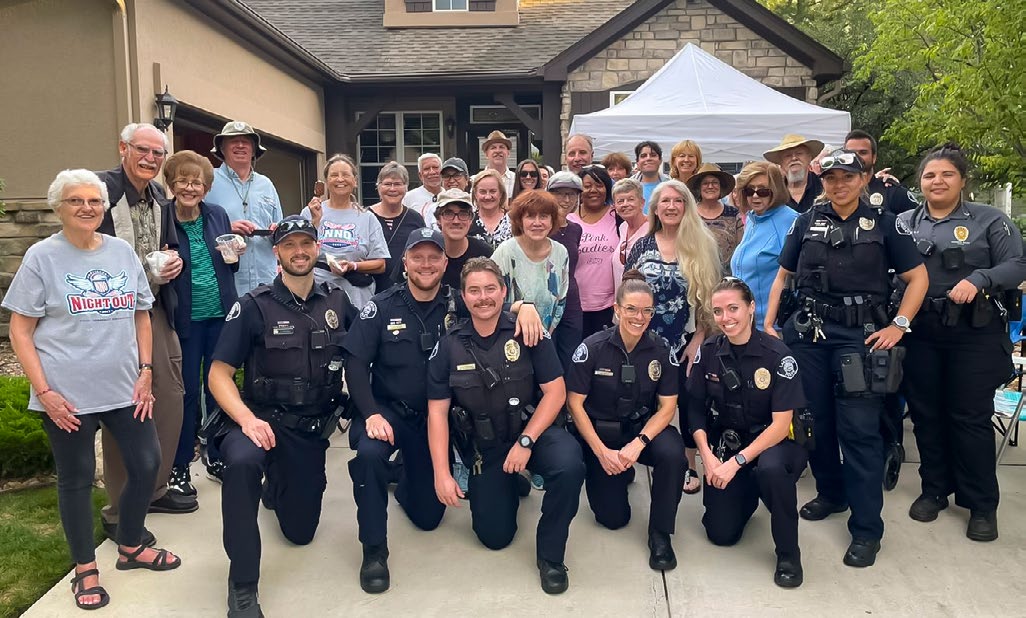
Ensuring that Lakewood is a safe community involves actively reducing crime, maintaining welcoming and vibrant public spaces, and building strong community trust. According to the Vision and Values survey the city conducted at the beginning of the Envision Lakewood 2040 process, safety was reported as one of the top reasons residents love Lakewood, but also one of the top concerns and priorities for the future of Lakewood. This indicates that safety must continue to be a top priority for the City.
Goal 2 Strategies: A Safe Community
This goal intends to foster an inviting and secure environment where all residents of Lakewood feel protected, supported, and empowered. Primary strategies include utilizing technology to more efficiently address crime, investing in additional support programs for law enforcement, strengthening relationships between the community and law enforcement and improving emergency preparedness. Supporting strategies highlight the relationships between community safety with transportation improvements and neighborhood vitality.
Primary Strategies
-
Utilize evidence-based crime analysis and the needs of the community to determine areas to direct law enforcement efforts.
-
Invest in training, technology, and equipment to keep Lakewood’s first responders up to date with current trends and best practices, and to ensure the necessary resources are provided to innovatively and equitably respond to the diverse safety needs and cultural norms within the community.
-
Work with community organizations, businesses, and neighborhood groups to increase crime prevention services through services such as Crime Prevention Through Environmental Design (CPTED),Neighborhood Watch, and other rigorously evaluated evidence-based strategies delivered in homes, schools, or the community that have been shown to prevent crime or reduce recidivism. Community members using the separated bike lanes on Garrison Street.
-
Work with the community to identify and prioritize cleanup projects and areas for increased maintenance to ensure Lakewood’s public spaces are safe and inviting for all. Clean-up projects may range from graffiti removal to alley, park, or neighborhood clean-up events.
-
Develop and maintain green and gray infrastructure that supports public health and safety, reduces risk of hazards, integrates into pedestrian-friendly streetscapes, and supports a healthy natural environment through implementation of nature- based solutions that promote climate mitigation, adaptation, and resilience. Assess and identify opportunities to mitigate existing hazards and enhance climate resilience of infrastructure, city assets, and communities.
-
Protect lives, prevent property and environmental damage, and stabilize the economy during large-scale emergencies and disasters. Collaborate with internal departments and external organizations to proactively plan for hazard mitigation, emergency preparedness, emergency response, and recovery efforts in order to increase community resilience.
-
Increase authentic and positive community interactions with all members of the police department through broad and inclusive educational and public outreach opportunities.
-
Develop and support mental and physical wellness programs for the police department employees and their families.
-
Develop and implement a safety education program that includes information and training addressing all types of potential safety issues, such as natural and climate disasters, human-caused disruptions, cyber security threats, and general safety practices to ensure the Lakewood community is well-prepared for public safety emergencies and best day-to-day safety practices.
-
Increase non-infrastructural elements of safety, including lighting and eyes on the street to ensure people feel safe traveling through and spending time in all parts of Lakewood.
Supporting Strategies
-
Research and report on the local impacts of historic and current policies, programs, and practices that marginalize or disadvantage certain groups of people. Identify actions and opportunities for restorative justice.
-
Encourage land uses that integrate housing, employment, and community amenities within walking distance of each other.
-
Continue to ensure that the safety and access needs for all modes of transportation users are considered with future transportation improvements, including but not limited to pedestrians, cyclists, and equestrians.
-
Set measurable goals to reduce crash rates, such as Vision Zero, focusing on Lakewood’s high-injury network and critical corridors, as well as other identified safety concerns.
-
Develop a micromobility strategy that addresses the safety, access, comfort, and convenience of vulnerable road users, and parking or storage for these methods, including people walking and rolling by all modes, including wheelchairs, skateboards, scooters, strollers, bikes, one-wheels and more.
-
Continue to implement the Bicycle Plan and any future updates to the Plan, with a core goal of increasing bicycle network connectivity and increasing the comfort of existing bicycle facilities.
-
Prioritize closing gaps in the network grid and first/last mile connections, including construction of missing sidewalk and trail links throughout the city, such as those identified in the Belmar/downtown Lakewood Connectivity Study, and north-south crossings of the 6th Avenue freeway, in order to improve overall connectivity, and provide more/greater variety of route options. Prioritize investing in additional separated bike lanes as proposed in the Bicycle Plan.
-
Identify and prioritize opportunities to enhance bicycle and pedestrian infrastructure, including approaches for regular maintenance such as snow removal and sweeping.