Complete and Engaged Neighborhoods
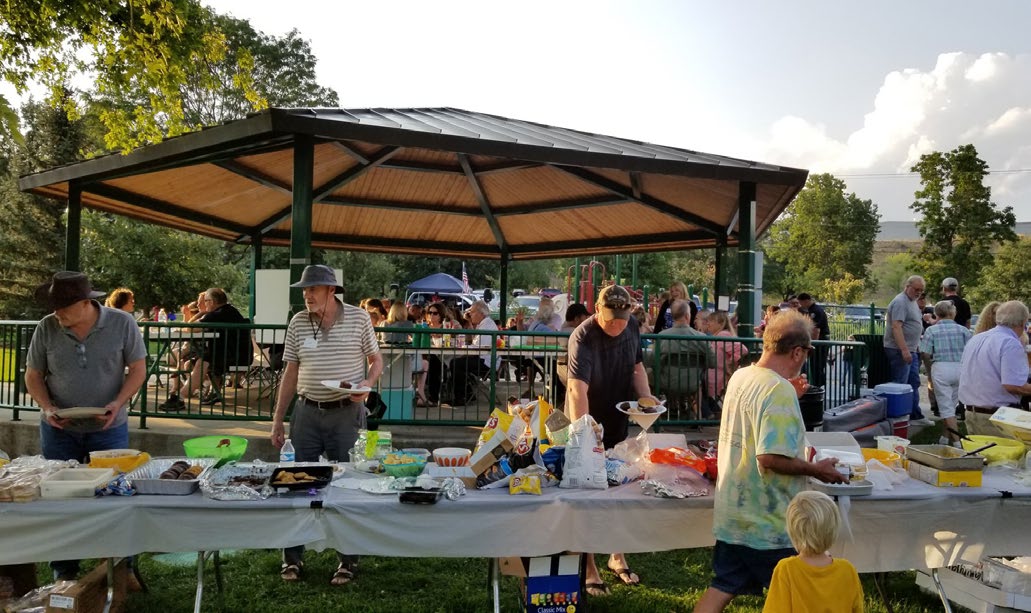
“Complete neighborhoods” can fulfill the day-to-day needs of the people who live within them by providing jobs, retail services, education, healthy food, parks, transit access, and social connection opportunities close to home—sometimes referred to as a 15- or 20-minute community. Multimodal transportation options (walking, biking, and safe and convenient transit access), context-sensitive development, diverse housing options and a mix of land uses to support residents’ daily needs are key components of these neighborhoods. Complete neighborhoods also integrate public places and green infrastructure, offering benefits such as community gathering space, shade, natural beauty, carbon sequestration, and stormwater management.
Lakewood actively supports complete neighborhoods and resident engagement through policies and programs that promote social interactions and strengthen neighborhood identity.
- The Sustainable Neighborhoods Program leverages volunteer residents’ passions, interests and skills to coordinate events, activities, and projects that help make Lakewood’s neighborhoods more sustainable places to live.
- The Neighborhood Support Team serves Lakewood residents by offering community-building programs and resources, such as grants and stipends for neighborhood projects and events, a mediation program for civil disputes, and opportunities for community service and volunteering.
- The Neighborhood Participation Program offers grants for resident-led projects that improve public spaces, such as community gardens, park amenities, or accessibility features, with a focus on neighborhood benefit and broad community support.
- The Sheridan Station 20-Minute Neighborhood Implementation Strategy, developed with the Two Creeks Neighborhood Organization and many other stakeholders, provides policy guidance to sustain and grow this area of Lakewood as a complete neighborhood. The plan includes concepts that could be used to help inform future area planning for other complete neighborhoods in the city.
Goal 17 Strategies: Complete and Engaged Neighborhoods
This goal and primary strategies focus on continuing to support neighborhood-serving programs and projects, encourage diverse housing options, integrate land use and transportation planning, promote sustainable development and more. Supporting strategies show the interplay between neighborhood vitality, art and culture, community wellness, active living, activity hubs, economic development, and zero waste efforts.
Primary Strategies
-
Implement a collaborative approach to develop context- sensitive area plans for targeted corridors, neighborhoods and activity hubs, prioritizing areas with high redevelopment pressure, displacement concerns, environmental hazards, infrastructure needs or other factors to create equitable planning processes. The outcome of these plans can help identify area assets and opportunities for change that are reflective of community input and cohesion.
-
Encourage a mix of housing types through development regulations, policies, and incentives to accommodate different household sizes, income levels, preferences, and needs.
-
Continue to support and grow neighborhood-serving programs and projects, such as the Sustainable Neighborhoods Program, Neighborhood Support Team, and Neighborhood Participation Program.
-
Promote mixed-income developments throughout the city to ensure integration of neighborhoods of all incomes.
-
Encourage land uses that integrate housing, employment, and community amenities within walking distance of each other.
-
Expand access to reliable and convenient public transportation options within neighborhoods.
-
Ensure that neighborhoods have access to safe and accessible routes by designing designated street corridors that prioritize pedestrian safety and encourage walking, riding and rolling that incorporate sidewalks, and complete street designs.
-
Promote sustainable practices throughout neighborhoods, with a focus on energy efficiency, water conservation, green infrastructure and zero waste.
-
Through the Community Development Block Grant (CDBG) Five-year Consolidated Plans and Annual Action Plans, identify and prioritize funding for key projects that will have a positive impact on low-to-moderate income populations in target areas.
Supporting Strategies
-
Develop and maintain green and gray infrastructure that supports public health and safety, reduces risk of hazards, integrates into pedestrian-friendly streetscapes, and supports a healthy natural environment through implementation of nature- based solutions that promote climate mitigation, adaptation, and resilience. Assess and identify opportunities to mitigate existing hazards and enhance climate resilience of infrastructure, city assets, and communities.
-
Maintain an up-to-date online resource center to provide information, resources, and services to residents, businesses, and other stakeholders related to energy and water conservation, renewable energy systems, beneficial electrification, waste diversion and climate adaptation strategies.
-
Expand and maintain comprehensive waste-related educational resources for the community with the goal of increasing participation in and proper usage of available waste diversion programs.
-
Facilitate the creation of transformative art destinations throughout Lakewood by encouraging diversification of the public art collection, engaging the community and creating public art that is discovered organically and intentionally.
-
Continue to implement the 40 West ArtLine Framework Plan and any future updates to the Plan.
-
Celebrate the community through art and cultural events, programs and performances that showcase local and regional talent, traditions, and cultural diversity.
-
Improve and activate publicly owned spaces (such as parks, plazas, streetscapes) with art, landscaping, seating, creative placemaking, and interactive elements.
-
Work with the community, local artists, arts organizations, community partners, and developers to support the integration of art and placemaking installations into the urban fabric to beautify spaces, create identity, and reflect local heritage and values.
-
Encourage and support activity hubs throughout the city with mixes of land uses that can help protect health and the natural environment and make the surrounding environment more attractive, well connected, economically stronger, socially diverse, and resilient to climate change. These nodes can be the hub for gathering and social events and blend into the surrounding context(s) of the area.
-
Use the City’s implementation tools such as the Zoning Ordinance, Design Standards, Major Site Plan Review and other applicable regulations to promote development that is respectful of adjacent properties and the surrounding area by considering height, scale, design, connectivity and impacts to the environment. Update these tools as needed.
-
Improve the pedestrian environment to ensure that residents and community members have safe, comfortable and convenient access to destinations such as schools and the public transit network. Consider the development of a walkability plan that would also include information and education programs to improve transportation safety and wayfinding.
-
Develop collaborative waste reduction and diversion programs targeting the largest and highest need waste generators in the commercial, industrial, and institutional sectors in Lakewood.