A Healthy Community
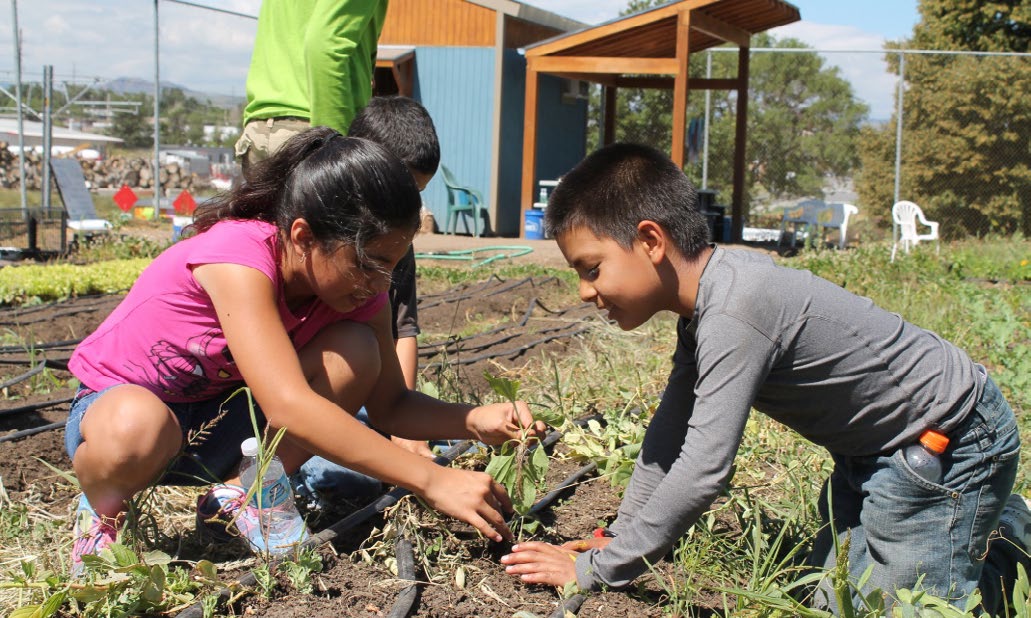
Community health is a complex interplay of genetic, environmental, and social factors. While individual genetics play a role, environmental exposures, and social determinants of health (SDH), such as healthy food, social support, access to resources and recreation, significantly shape health outcomes. The World Health Organization defines SDH as non-medical factors impacting health, accounting for an estimated 30-55 percent of health outcomes.
Addressing both environmental and social factors is crucial for improving community health. Although Lakewood generally outperforms national averages on several health indicators, some areas of the city show higher health challenges and risks, when compared statewide, including the prevalence of asthma and heart disease, and negative effects of poor air quality.
These health disparities disproportionately affect marginalized and vulnerable populations, such as low income individuals and Black, Indigenous, and People of Color, leading to health inequities. Implementing targeted programs and policies is essential to mitigate these inequalities, promote a healthier community, and enhance overall well-being.
Goal 1 Strategies: A Healthy Community
This goal and the primary strategies aim to promote policies and programs that address health equity disparities and provide access to opportunities for healthy food, parks and recreation, and social connections. Supporting strategies showcase the connection between community health, the built environment, transportation and mobility, climate action, and community development and design.
Primary Strategies
-
Collaborate with community partners at the local, county, and state levels to identify highest needs and support efforts to provide health services and resources.
-
Prioritize efforts to ensure equitable access to resources that help all residents enjoy a healthy life (e.g.,, access to food, medical care, safe housing, transportation, arts, parks, recreation, outdoor spaces, and others.)
-
Engage with community partners to identify gaps in healthy food access. Support and encourage efforts to fill those gaps through actions such as community gardens, farm stands, fresh food distribution in local stores, attraction of new grocery stores, retention of existing grocery stores, regulatory changes, food rescue, education for gardening, and preservation and others.
-
Update regulations for public space design to support the community’s physical, mental, and social health, with considerations such as passive and active uses, places to gather, heat resilience, connections to nature, and safe access within and through a space.
-
Integrate health considerations into City policymaking to improve the health of all communities and people in Lakewood.
Supporting Strategies
-
Develop and maintain green and gray infrastructure that supports public health and safety, reduces risk of hazards, integrates into pedestrian-friendly streetscapes, and supports a healthy natural environment through implementation of nature- based solutions that promote climate mitigation, adaptation, and resilience. Assess and identify opportunities to mitigate existing hazards and enhance climate resilience of infrastructure, city assets, and communities.
-
Protect lives, prevent property and environmental damage, and stabilize the economy during large-scale emergencies and disasters. Collaborate with internal departments and external organizations to proactively plan for hazard mitigation, emergency preparedness, emergency response, and recovery efforts in order to increase community resilience.
-
Develop and support mental and physical wellness programs for the police department employees and their families.
-
Building on existing efforts, develop and implement a comprehensive strategy for proactively addressing environmental justice across all relevant City operations. As a baseline, this strategy should be informed by the regular collection and monitoring of necessary data—both quantitative and qualitative.
-
Consider mechanisms, committees, forums or processes to collaborate with diverse representation from the Lakewood community on planning, funding, and project implementation for topics such as equity, transportation, housing, resilience, parks and others.
-
Contribute to regional efforts to improve air quality by reducing transportation-related emissions, enhancing green infrastructure, tree canopy, vegetative cover, and other nature-based solutions, and by implementing air quality monitoring and public awareness campaigns.
-
Encourage and support activity hubs throughout the city with mixes of land uses that can help protect health and the natural environment and make the surrounding environment more attractive, well connected, economically stronger, socially diverse, and resilient to climate change. These nodes can be the hub for gathering and social events and blend into the surrounding context(s) of the area.
-
Promote mixed-income developments throughout the city to ensure integration of neighborhoods of all incomes.
-
Encourage land uses that integrate housing, employment, and community amenities within walking distance of each other.